Liposuction Michigan for Smoother Contours and Better Proportions
Body contouring is rarely about chasing perfection. In practice, it is usually about proportion. A patient feels fit everywhere except the lower abdomen. Someone else has worked off most of the weight gained over a decade, yet the flanks still project in a way that throws off the silhouette of every pair of jeans. Another person may be close to their goal weight, but the fullness under the chin makes the face look heavier than it is. Liposuction addresses that very specific frustration: pockets of fat that resist diet, training, and time.
When people search for Liposuction Michigan, they are often looking for more than a procedure name. They are looking for a realistic way to smooth contours, refine shape, and feel more balanced in their clothing and in photographs. The best outcomes tend to come from a clear understanding of what liposuction can do, what it cannot do, and how thoughtful planning affects the final result.
What liposuction actually changes
Liposuction removes localized fat deposits to improve contour. That sounds simple, but the distinction matters. It is not a weight-loss operation, and it is not a treatment for poor skin quality. It is a reshaping procedure. If the goal is better waist definition, a flatter lower abdomen, slimmer inner thighs, or less fullness along the bra line, liposuction can be very effective. If the goal is to tighten loose skin after major weight loss, that often requires a different operation, such as a tummy tuck, arm lift, or thigh lift.
This is where expectations often need fine-tuning. Someone might say, “I want my stomach gone.” That statement can mean several different things. It may mean excess fat above and below the belly button. It may mean stretched abdominal muscles after pregnancy. It may mean loose skin that folds when seated. Those are separate issues, and they do not all respond to liposuction in the same way.
The strongest candidates are usually near a stable weight, generally in good health, and bothered by discrete areas that feel out of proportion with the rest of the body. In that setting, liposuction can create a noticeable change without making the person look surgically altered. The result, when planned well, is often subtle in the best sense of the word. Clothes drape better. The waistline reads cleaner. The body looks more harmonious from different angles.
Why body proportion matters more than the scale
One of the most common misconceptions around liposuction is that the amount removed is the measure of success. It is not. Better proportion matters far more than volume alone. Taking too much from one area can create hollows, irregular transitions, or an overdone look. Taking a conservative amount, but blending surrounding areas carefully, can produce a smoother and more elegant result.
Think about the waist and hips. A patient may only need modest reduction at the flanks to make the waist appear narrower. Or consider the neck. A relatively small amount of fat removal beneath the chin can sharpen the profile dramatically because the area is compact and central to the face. In these cases, the visual effect exceeds the raw number of cubic centimeters removed.
This is one reason consultation quality matters so much. A good plan does not start with “How much can we take out?” It starts with “What shape are we trying to create?” The difference may sound semantic, but it changes everything from candidacy to technique to aftercare.
Common treatment areas and how they behave
Different body areas respond differently. Fat distribution, skin elasticity, anatomy, and healing patterns all vary, so a surgical plan should reflect the region being treated rather than applying the same formula everywhere.
The abdomen is probably the area people ask about most often. Upper abdominal fullness can sometimes improve nicely with liposuction alone, especially in patients with good skin tone. The lower abdomen is more nuanced. If skin is stretched or the abdominal wall has separated after pregnancy, liposuction may improve fullness without fully addressing laxity. That is where honest preoperative discussion prevents disappointment.
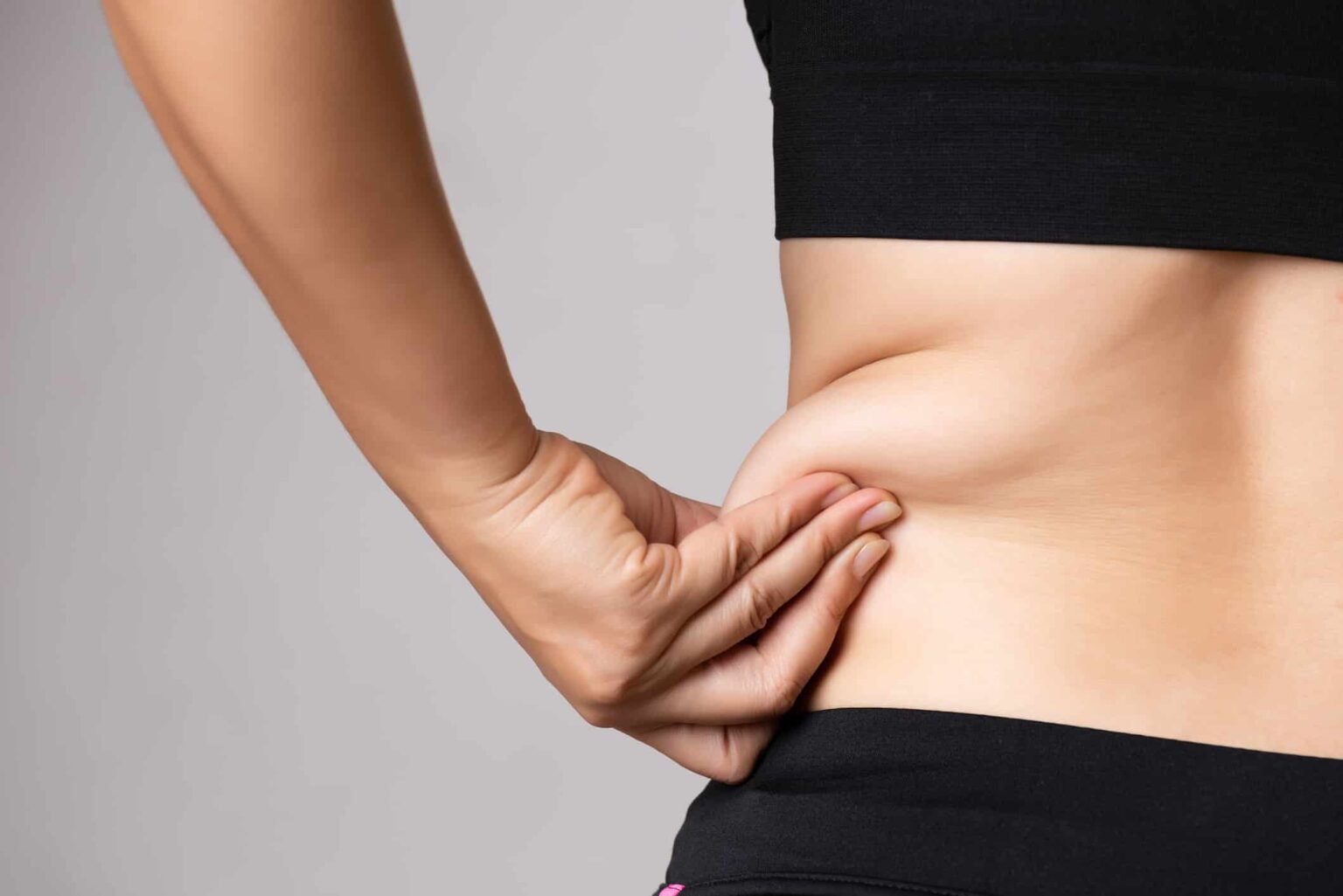
Flanks, often called love handles, are among the most rewarding areas to treat. Even moderate reduction here can improve the waist-to-hip ratio and make the torso look leaner overall. The change tends to show up in both fitted and casual clothing.
Thighs can look excellent with liposuction, though judgment is especially important. Inner thighs that rub can often be reduced successfully, but taking too much may create looseness or contour irregularities. Outer thighs can improve saddlebag fullness and streamline the side profile. The knees are a small area, yet they can make a surprising difference in leg shape for selected patients.
Arms are another area where small refinements matter. Liposuction can reduce persistent fullness of the upper arms, but skin quality is crucial. If the skin lacks elasticity, removing fat may reveal rather than solve the problem. Under the chin, where many patients want a cleaner jawline, good skin retraction is one of the key drivers of a satisfying result.
Back and bra-line fullness also respond well in many cases. These areas can create visible bulges under fitted tops, and contouring them often makes clothing sit more smoothly. Men may seek liposuction for the chest area as part of treating excess fatty fullness, though a complete evaluation is necessary because true glandular tissue can require a different approach.
The Michigan factor: lifestyle, season, and recovery planning
Patients considering Liposuction Michigan often ask whether time of year matters. It can. Recovery happens in any season, but Midwest weather changes how people plan around it. Winter offers privacy. Compression garments fit easily under sweaters and heavier clothing, and people are less likely to feel social pressure to be pool-ready within a few weeks. The trade-off is practical: icy sidewalks, snow, and layered clothing can be inconvenient right Liposuction Michigan after surgery.
Spring and early summer tend to be popular because patients want to feel more comfortable in warm-weather clothes. That timing can work well, but it requires realism. Swelling does not disappear overnight. Even when patients feel quite good within a couple of weeks, the body is still healing. Final refinement takes longer. If someone books liposuction in late May expecting a polished result by the Fourth of July, that timeline may be too optimistic depending on the areas treated.
Autumn often strikes a useful balance. Activity schedules are steadier, temperatures are manageable, and there is enough runway before holiday events. For many working adults and parents, planning recovery around school calendars, work travel, and family obligations matters just as much as the medical side.
What happens during consultation
A productive consultation should feel specific, not sales-driven. The surgeon should examine the areas of concern standing up, assess skin tone and fat distribution, and discuss how different body zones relate to one another. Many patients point to one spot, but the shape issue involves the surrounding areas too. For example, treating only the central abdomen without addressing the flanks can leave the waist less defined than expected.
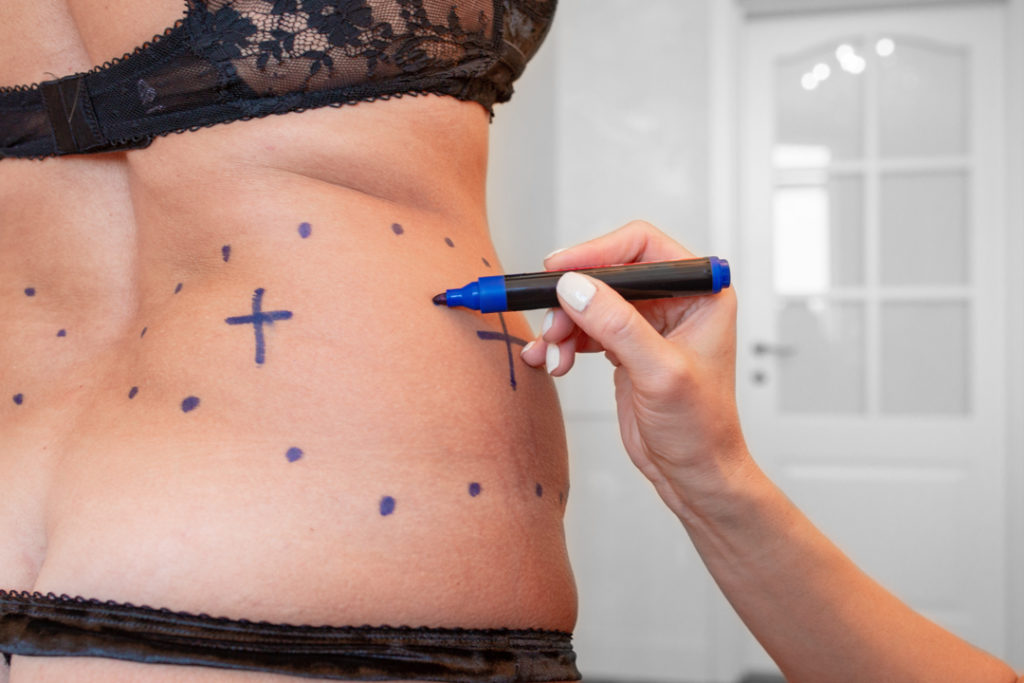
Photographs are often helpful because they reveal proportions from multiple views. Measurements and markings may come later, but the first conversation is usually about goals, anatomy, and trade-offs. Patients who do best in this process tend to be candid. It helps to say, “This is the part of my body that bothers me in fitted dresses,” or “I like my hips, but my waist disappears from the side.” Those details give the surgeon a more usable target than broad statements about wanting to be “smaller.”
A thoughtful consultation usually covers these points:
- which areas are likely to improve most with liposuction alone
- whether skin quality may limit the result
- what degree of change is realistic, from subtle refinement to more visible contouring
- what recovery will probably look like for your specific treatment plan
- whether another procedure would better match your goals
If those subjects are rushed or glossed over, that is worth noticing.
Technique matters, but judgment matters more
Patients often ask about the “best” type of liposuction. There are several methods used in modern practice, including tumescent liposuction and energy-assisted options such as ultrasound-assisted or laser-assisted systems. Each has potential advantages in selected cases, but technology alone does not determine outcome. Planning, restraint, and technical consistency usually matter more than marketing language.
The fundamentals are straightforward. The area is infiltrated with fluid to improve comfort and reduce bleeding. Small cannulas are used to remove fat through tiny access points. The surgeon works through the targeted zones while trying to create smooth transitions rather than simply emptying one pocket. That last point is where experience Aesthetic Plastic Surgery & Laser Center Liposuction Michigan shows. Contouring is not excavation. The body has to look natural in motion, in soft clothing, and in unforgiving light.
Overtreatment is one of the classic mistakes in body contouring. Patients sometimes assume “more aggressive” is better because they want a dramatic outcome. In reality, aggressive fat removal can increase the risk of waviness, dents, adhesions, or thin, unnatural-looking areas. Under-treatment can be disappointing too, but it is often easier to address than over-resection. The art lies in knowing where the safe and attractive middle ground is.
Recovery is usually manageable, but not trivial
One reason liposuction remains popular is that recovery is generally more tolerable than people fear. It is still surgery, however, and it deserves respect. Most patients describe soreness, tightness, and bruising more than sharp pain. Many compare it to a deep muscle ache after an intense workout, though the sensation is more constant for the first several days.
Compression garments are a routine part of healing. They help support the tissues, reduce swelling, and encourage smoother contour during the early recovery phase. They are not glamorous, but they are useful. Drains are not always needed, depending on the technique and the extent of treatment.
Most people can walk the same day, and that is encouraged. Light movement helps circulation and reduces stiffness. Returning to desk work may happen within a few days to a week for some patients, while more extensive treatment can require longer downtime. Exercise, lifting, and high-intensity activity usually resume gradually, not all at once.
Swelling is the part many patients underestimate. Early on, the body can look puffier or more uneven than expected. That does not mean something is wrong. It means healing is active. Bruising fades first. Soreness improves next. Then the shape starts to settle. By a few weeks, patients often see the direction things are heading. By a few months, the definition is more reliable. Finer changes can continue beyond that.
Several habits make recovery smoother:
- follow compression instructions consistently rather than wearing the garment “when convenient”
- walk daily, even in short intervals, unless told otherwise
- keep sodium and alcohol in check early on, since both can worsen swelling
- avoid judging the result too early
- contact the office promptly if swelling becomes markedly one-sided, pain escalates, or anything feels off
That last point is not alarmist. Most recoveries are routine, but good postoperative communication is part of good surgical care.
How results hold up over time
Fat cells removed by liposuction are gone. That is true, but it does not mean the body is frozen in time. Remaining fat cells can still enlarge with weight gain. Hormones, age, pregnancy, and shifts in muscle mass still affect shape. The result tends to hold best when weight remains relatively stable.
Patients sometimes worry that fat will “come back somewhere else.” The reality is more ordinary. If a person gains a substantial amount of weight after liposuction, the body can still store fat in multiple areas, including treated and untreated regions, though the pattern may be altered. That is why the procedure works best as a finishing step rather than a substitute for long-term weight management.
There is also a psychological side to durability. When clothing fits better and exercise feels more rewarding because the body looks more proportional, some patients find it easier to maintain healthy routines. That does not mean liposuction creates discipline. It means visible progress can reinforce it.
When liposuction is the wrong answer
Not every contour concern should be treated with liposuction. That may be the most important truth for patients to hear. If the main issue is loose skin, especially after major weight loss or multiple pregnancies, removing fat can flatten volume without tightening the skin enough. The result may be underwhelming or even accentuate laxity.
If the abdominal wall is stretched or separated, as can happen after pregnancy, liposuction alone will not repair the underlying muscle layer. In those cases, a tummy tuck may be the more appropriate route. Similarly, if someone is early in a weight-loss journey and expects surgery to replace the next 30 or 40 pounds, liposuction is poorly suited to that goal.
There are also medical reasons to postpone or avoid surgery, including poorly controlled chronic conditions, smoking that interferes with healing, or medications that increase risk. A responsible practice screens for these issues carefully. The best surgeons turn people away when surgery is not the right move, and that should build trust rather than diminish it.
Choosing a surgeon without getting distracted by hype
Finding the right surgeon for Liposuction Michigan is less about flashy branding and more about consistency, communication, and evidence of careful work. Before-and-after photos matter, but the right way to read them is not just to look for dramatic transformations. Look for smooth contours, balanced proportions, and results that fit the person rather than overpower them. Ask whether the surgeon frequently treats your area of concern. Neck contouring, abdomen shaping, arms, and thighs each require slightly different instincts.
The consultation experience tells you a great deal. If the conversation is all upselling and no nuance, that is a problem. Good surgery is built on specificity. A strong surgeon will tell you not only what can improve, but what may remain, what risks matter most in your case, and whether another option makes more sense.
Cost comes up quickly in body contouring discussions, and understandably so. Prices vary based on the number of areas treated, operating facility fees, anesthesia, geographic factors, and the complexity of the case. Lower pricing is not automatically a warning sign, but bargain shopping is a poor strategy in aesthetic surgery. Revision procedures are emotionally and financially expensive. Precision the first time usually costs less than trying to fix a bad result later.
Small details that shape the final result
Patients often focus on the operation itself, but outcomes are influenced by many small decisions around it. Marking matters. Positioning matters. Treating adjacent areas matters. So does skin quality, hydration, postoperative swelling control, and the patience to let tissues settle before judging the result.
One practical example is the abdomen and flanks. A patient may believe the lower belly is the sole problem, yet modest contouring of the flanks often creates the cleaner waistline they wanted all along. Another example is under the chin. The amount of fat may be only part of the issue. The position of the hyoid bone, the quality of the skin, and the angle of the jaw all influence how much visible improvement is possible.
Scars from liposuction are usually small and placed discreetly, but incision placement still deserves planning. A few millimeters in the wrong direction can make an access point more noticeable in swimwear or intimate clothing. These are the kinds of details patients may not think to ask about, but experienced surgeons do.
A measured path to smoother contours
The appeal of liposuction is easy to understand. It can refine a shape that already feels close, but not quite right. It can make the waist read more clearly, the thighs move more comfortably, the neckline look cleaner, or the torso fit clothes with less friction and self-consciousness. At its best, it does not make someone look like a different person. It makes them look more balanced.
For people researching Liposuction Michigan, the most useful mindset is neither fear nor fantasy. It is precision. Know the area that bothers you. Know how your skin behaves. Know whether your weight is stable. Ask direct questions. Look for a surgeon who respects anatomy more than trends and who values proportion over volume.
That is how liposuction delivers what most patients actually want: smoother contours, better proportions, and results that make sense on their body, not just on paper.
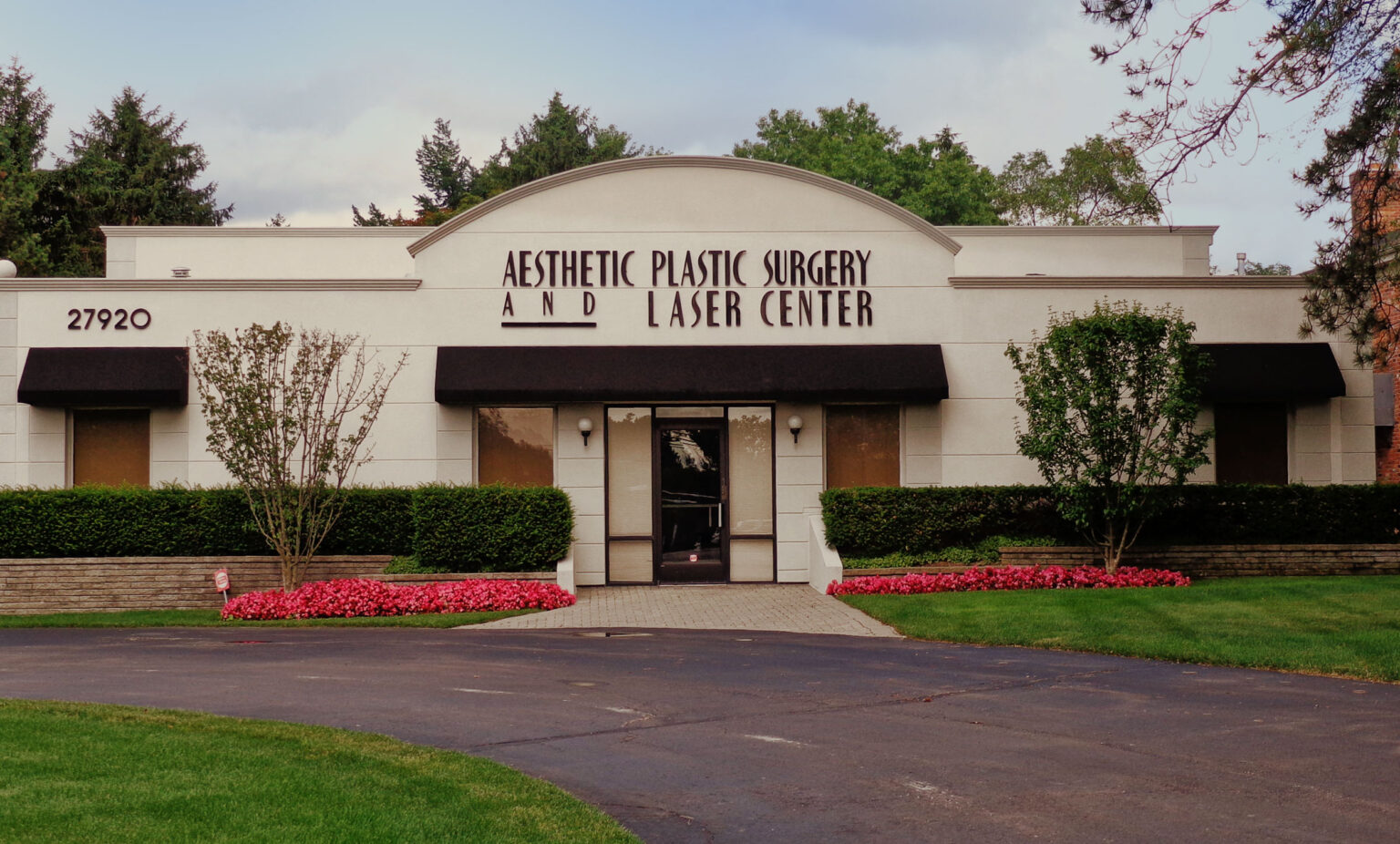
Aesthetic Plastic Surgery & Laser Center, Michelle Hardaway M.D.
27920 Orchard Lake Rd, Farmington Hills, MI 48334, United States
+1 248-221-1957
FAQ About Liposuction Michigan
Is 55 too old for liposuction?
Age 55 alone does not determine suitability. A surgeon evaluates overall health, skin quality, healing risks, and realistic goals. A personal consultation is needed to assess candidacy and discuss alternatives.
What happens 10 years after liposuction?
Contour improvements can last, especially with stable weight. Aging, pregnancy, and weight changes can alter the appearance over time. Results vary, and liposuction does not prevent future body changes.
Can lipo get rid of an apron belly?
Liposuction reduces localized fat but does not remove hanging excess skin. An apron belly may require assessment for a skin-removal procedure instead of, or alongside, fat removal. A qualified plastic surgeon can explain appropriate options and their risks.