How Age Affects Liposuction Michigan Outcomes
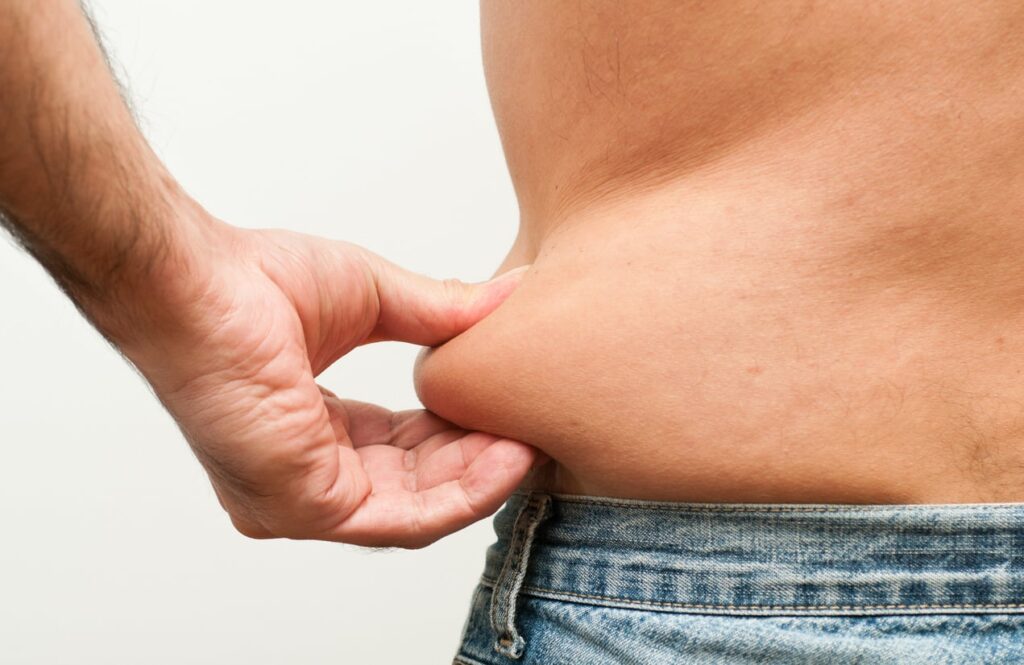
Age shapes liposuction results in ways that are easy to overlook when people focus only on the number on the scale or the amount of fat they want removed. In practice, surgeons pay closer attention to skin quality, healing capacity, fat distribution, hormone-related changes, and the patient’s expectations than to birthday candles alone. A healthy 58-year-old with good skin tone, stable weight, and realistic goals may be a better candidate than a 29-year-old who has poor elasticity, fluctuating weight, or a plan to use surgery as a substitute for broad lifestyle change.
That is especially relevant in conversations about Liposuction Michigan patients often have with their surgeons. Michigan’s patient population spans college students, young professionals, postpartum mothers, middle-aged adults dealing with metabolic changes, and older adults who stay active well into retirement. The questions they ask are often similar, but the answers are not. Age changes the body’s response to fat removal, and it changes how the result settles over time.
The good news is that age does not create a hard line where liposuction suddenly stops being effective. What it does is shift the strategy. Surgical planning for a patient in their 20s usually looks different from planning for someone in their 40s, 50s, or 60s. The amount removed, the areas treated, the need for skin tightening support, and the length of recovery discussion all tend to change with age.
Why age matters more than many patients expect
Liposuction removes fat cells from targeted areas. It does not tighten muscle, and it does not fix every form of skin laxity. That distinction becomes more important as the years pass. Younger patients often have skin that retracts more readily after fat removal. Older patients may still achieve excellent contour improvement, but the degree of skin contraction can be less predictable.
Surgeons often think in terms of the whole envelope, not just what is underneath it. Fat is one variable. Skin is another. The fibrous structure of tissue, hydration, circulation, collagen content, and hormonal influences all affect the final contour. Two patients can have the same amount of abdominal fullness and leave surgery with very different visual outcomes because one has firm, resilient skin and the other has loose tissue from aging, pregnancy, or weight loss.
This is one reason consultations should feel more nuanced than, “How many pounds can I lose?” Liposuction is best for contouring stubborn areas, not broad weight reduction. Age influences whether that contouring creates a crisp result or a softer improvement.
Patients in their 20s and early 30s
Younger adults often have the strongest skin elasticity, and that can work in their favor. When the skin snaps back well after fat removal, areas such as the lower abdomen, flanks, outer thighs, bra line, and under-chin region may look smoother and more defined. Recovery can also feel easier for many younger patients, though “easier” should never be mistaken for effortless. Swelling, soreness, bruising, and temporary contour irregularities can still be significant.
What tends to complicate younger cases is not healing, but expectations. Some younger patients come in after years of fitness effort and want a very sharp result. Others are still in a life stage where their weight changes frequently because of job stress, social habits, pregnancies ahead, or inconsistent training. If weight is not reasonably stable, the result can drift. Liposuction permanently removes some fat cells, but remaining fat cells can still enlarge if body weight rises.
There is also a practical issue that surgeons see often. A patient in their late 20s may have a small pocket of lower abdominal fat and assume liposuction will create a flat stomach. If the real issue includes posture, weak abdominal wall support, bloating, or early skin looseness, surgery may help only part of the problem. Younger patients generally do well when the goal is refinement rather than transformation.
The postpartum years and body contour decisions
Age and life stage often overlap, nowhere more clearly than after pregnancy. Many women in their 30s seek body contouring because pregnancy changes fat distribution, stretches skin, and sometimes separates abdominal muscles. Liposuction can help with residual fullness in the waist, lower abdomen, hips, and back, but it cannot repair every postpartum change on its own.
This is where age becomes a secondary factor to tissue condition. A 34-year-old who has had three pregnancies may have more skin laxity than a 47-year-old who has never been pregnant and has maintained a steady weight for decades. The calendar matters, but the body’s history matters more.
In real practice, this is one of the most common areas of disappointment when consultations are rushed. Patients may ask for liposuction when what they truly need is either more time for postpartum recovery, a weight stabilization period, or a different procedure altogether. When a surgeon carefully explains what liposuction can and cannot do, patients usually make better choices and feel better about the trade-offs.
The 40s and 50s, where candidacy becomes more individualized
This is the age range where many patients start noticing changes that feel unfairly sudden. Fat may collect more easily around the abdomen, waist, upper back, and under the chin. Exercise may still improve fitness without changing contour as much as it once did. Hormonal shifts, slower metabolism, sleep disruption, and a long work schedule all feed into that pattern.
Many Liposuction Michigan consultations happen in this stage of life. These patients are often highly motivated and realistic. They are not chasing an impossible ideal, they simply want the shape of their body to better reflect the effort they already put in. That can make them excellent candidates.
At the same time, this is the decade when skin quality deserves closer scrutiny. Collagen declines over time. Tissue may be less forgiving after fat removal, particularly in the abdomen, inner thighs, upper arms, and neck. If moderate to significant laxity is already present, the final result may improve bulk but not produce the tighter look the patient pictures.
A skilled surgeon usually evaluates a few practical questions before recommending liposuction in this age group:
- How well does the skin recoil when gently lifted or compressed?
- Has the patient’s weight been stable for at least several months?
- Are there hormonal or medical issues affecting swelling or healing?
- Is the goal subtle refinement or a dramatic reshaping?
- Would combining procedures create a more balanced result?
That final question matters. Sometimes liposuction alone is enough. Sometimes it works better when paired with skin excision or another contouring procedure. The right answer depends on the starting anatomy, not on age alone.
Patients in their 60s and beyond
Older adults can absolutely be good liposuction candidates. The strongest candidates are usually healthy, active, near a stable weight, and clear about their goals. They often want a cleaner jawline, less fullness at the waist, improved torso proportion, or relief from a localized bulge that clothing never fits around properly.
The limiting factor is rarely age itself. More often, it is the combination of thinner skin, reduced elasticity, slower recovery, and medical conditions that become more common later in life. Blood pressure issues, diabetes, circulation concerns, and medications that affect bleeding or healing all deserve careful review.
One pattern experienced surgeons recognize is that older patients may do best with conservative contouring rather than aggressive suction. Removing too much can reveal laxity, unevenness, or hollowness. A more measured approach often produces a smoother, more flattering outcome. The result may not look dramatically “operated on,” and that is often exactly what the patient wants.
Another point worth stating plainly is that recovery can be more tiring with age. Patients may feel sore longer, swelling may linger, and energy can dip for a greater stretch than it would in a younger person. That does not mean the procedure was unsuccessful. It means planning matters. Help at home, reduced commitments, and patience with swelling become more important.
Skin elasticity, the real hinge point
If there is one factor that repeatedly separates average outcomes from excellent ones, it is skin behavior after fat removal. Younger skin tends to contain more collagen and elastin, and it often retracts better after volume is reduced. As people age, those support structures weaken. Sun exposure, smoking history, major weight fluctuations, and genetics can accelerate that change.
This is why a surgeon examining the abdomen or neck is not being fussy when they pinch, move, and assess the tissue from different angles. They are trying to predict how that skin will drape after surgery. That prediction is part science, part experience.
Take the neck as an example. A 32-year-old with a moderate pocket of submental fat and firm skin may see a striking improvement after liposuction alone. A 61-year-old with the same amount of fat but looser platysma and less elastic skin may improve too, but the neck may not appear sharply defined without a different or additional approach. Both patients can be good candidates, but the expected finish line differs.
The abdomen tells a similar story. When skin still has spring, removing lower abdominal or flank fat can reshape the silhouette nicely. When skin is stretched and thin, especially after pregnancies or major weight changes, liposuction can reduce fullness yet still leave a loose surface. That is not a surgical failure. It is the consequence of tissue limits.
Healing, bruising, and swelling across the decades
Younger patients often clear bruising faster and return to routine activity sooner, though there is wide variation. Some 26-year-olds swell for months, while some 55-year-olds recover surprisingly smoothly. Even so, trends exist. Healing generally becomes less efficient with age. Microcirculation can be slower. Inflammation may linger. Sleep quality, medication use, and baseline fitness begin to carry more influence.
The first few weeks after liposuction are often emotionally uneven because the body rarely looks “finished” right away. There may be firmness, numbness, asymmetry from swelling, and fluctuations from day to day. Older patients sometimes find this phase more frustrating because improvement may reveal itself gradually rather than all at once.
What helps most is setting the timeline correctly before surgery. Early change can be visible in the first month, but swelling commonly takes several months to settle, and tissue softening may continue beyond that. Patients who understand this are less likely to misread normal recovery as a bad result.
Weight stability and metabolic reality
Age Liposuction Michigan also affects liposuction through long-term maintenance. In the 20s and early 30s, many people can drift up or down in weight quickly with changes in activity or routine. In the 40s and 50s, weight may become harder to lose and easier to regain. Later in life, muscle mass may decline if resistance training falls off, which can change body composition even when the scale remains similar.
That matters because liposuction is a contour tool, not protection against future weight gain. If a patient gains a substantial amount of weight after surgery, untreated areas and remaining fat cells in treated areas can enlarge. The body shape may still look better than it would have otherwise, but the crispness of the result can soften.
A practical example illustrates this well. A fit 45-year-old who removes flank and lower abdominal fat, then keeps their weight within a narrow range, often enjoys a long-lasting contour improvement. A 31-year-old who has the same procedure and then gains 25 pounds over two years may feel disappointed, even though the surgery itself was technically sound.
Men, women, and age-related fat patterns
Age does not affect everyone in the same way. Men often develop more central fullness with age, especially around the abdomen and flanks. Women may see more change at the waist, lower abdomen, hips, back, and under the chin, particularly through perimenopause and menopause. These shifts are partly hormonal and partly genetic.
That is why age-based advice should never sound generic. A 52-year-old man with dense flank fat and good skin may be a straightforward liposuction candidate. A 52-year-old woman with abdominal laxity after pregnancies may need a more layered conversation. Same age, very different tissue story.
The areas that tend to remain more favorable for liposuction as patients age are often the flanks, outer thighs, upper back, and under-chin region, provided skin support remains decent. Areas that demand more caution include the inner thighs, upper arms, and lower abdomen, where laxity can become more noticeable after volume reduction.
What surgeons evaluate beyond age
A strong consultation looks past the birthday and asks how the body has changed over time. The details that matter most usually include health status, prior pregnancies or surgeries, smoking history, weight trend, medication use, scar tendency, and how the patient wants to look in clothing rather than in filtered photos.
An experienced surgeon is also listening for the difference between a contour goal and a life-overhaul goal. Liposuction works beautifully for the first. It disappoints when patients hope it will solve weight struggles, body dysmorphia, or deeply unrealistic expectations.
Some of the best older candidates are the least dramatic in how they describe their goals. They say things like, “I want my pants to fit better at the waist,” or “I want this area under my chin to match how active I feel.” That kind of specificity usually leads to smart planning and a satisfying result.
Questions worth asking during a Michigan consultation
Climate does not change the biology of liposuction, but local lifestyle can affect timing and recovery planning. In Michigan, many patients want surgery scheduled around summer activities, winter travel, school breaks, or periods when layered clothing makes compression garments easier to manage. Those practical issues are worth discussing because comfort affects compliance.
When meeting with a surgeon about Liposuction Michigan patients should ask a few direct questions:
- Based on my skin quality, what level of tightening can I realistically expect?
- Is liposuction alone enough for my goals, or am I likely to need another procedure for laxity?
- How much swelling should I expect at my age and in my treatment areas?
- What result tends to hold up best over five to ten years?
- What would make you tell a patient like me to wait or not proceed?
These questions tend to produce more useful answers than asking for a perfect before-and-after prediction. They shift the conversation toward judgment, and judgment is what separates thoughtful body contouring from salesmanship.
The emotional side of age and cosmetic change
Age carries emotional weight in cosmetic surgery that patients do not always state directly. A younger patient may feel pressure to look exceptionally lean. A middle-aged patient may want their outside to match how healthy they feel inside. An older patient may simply want a bothersome area corrected without looking overdone.
Those motives influence satisfaction as much as the technical result. People do best when they are not trying to recover a body from a completely different life stage. The happiest patients are usually aiming for proportion, fit, and confidence, not time travel.
A surgeon with real experience knows when to encourage a patient and when to slow them down. Sometimes Liposuction Michigan the right answer is yes. Sometimes it is yes, but with adjusted expectations. Sometimes it is not yet, because weight is still changing, medical issues need attention, or another option makes more sense.
What age does not decide
Age does not, by itself, decide whether liposuction will work. It does not guarantee loose skin, poor healing, or disappointment. It also does not guarantee a sleek result just because a patient is young. Good outcomes come from matching the procedure to the anatomy, the tissue quality, and the patient’s actual goals.
For some people, youth brings excellent elasticity and fast recovery. For others, older age brings patience, stable habits, and a clear understanding of what improvement really looks like. Both can be powerful advantages.
The most useful way to think about age is as a context, not a verdict. It tells the surgeon what to look for, what to explain carefully, and how to tailor the plan. In the setting of Liposuction Michigan patients considering surgery should want a consultation that respects that complexity. The best results are rarely about removing the most fat. They come from removing the right amount, in the right areas, for the right body at the right time.
Aesthetic Plastic Surgery & Laser Center, Michelle Hardaway M.D.
27920 Orchard Lake Rd, Farmington Hills, MI 48334, United States
+1 248-221-1957
FAQ About Liposuction Michigan
Is 55 too old for liposuction?
Age 55 alone does not determine suitability. A surgeon evaluates overall health, skin quality, healing risks, and realistic goals. A personal consultation is needed to assess candidacy and discuss alternatives.
What happens 10 years after liposuction?
Contour improvements can last, especially with stable weight. Aging, pregnancy, and weight changes can alter the appearance over time. Results vary, and liposuction does not prevent future body changes.
Can lipo get rid of an apron belly?
Liposuction reduces localized fat but does not remove hanging excess skin. An apron belly may require assessment for a skin-removal procedure instead of, or alongside, fat removal. A qualified plastic surgeon can explain appropriate options and their risks.